
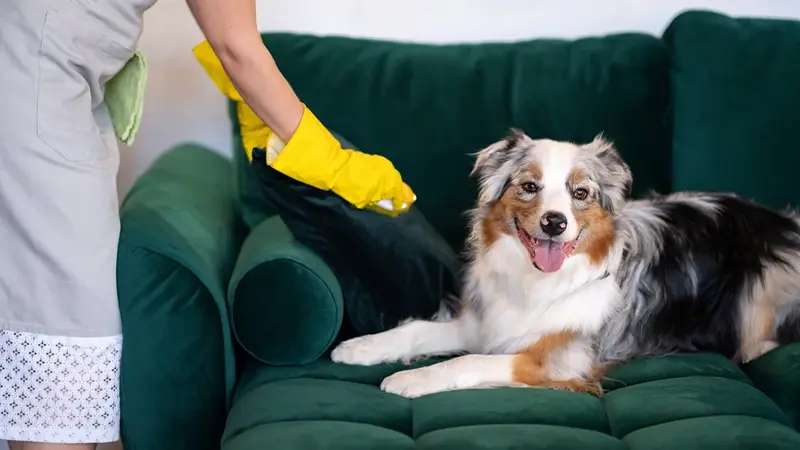
Pets bring joy, companionship, and unconditional love into our homes. However, with their presence comes a set of unique cleaning challenges that can make maintaining a spotless home feel like an uphill battle. From shedding fur and dirty paws to lingering odors and stubborn stains, pet ownership requires extra care when it comes to deep cleaning. But with the right strategies, tools, and regular maintenance, keeping a fresh, clean home for both you and your pets is entirely achievable. In this comprehensive guide, we’ll break down everything you need to know about deep cleaning for pet owners, from tackling specific cleaning challenges to offering practical solutions and understanding the long-term benefits.
Why Deep Cleaning is Essential for Pet Owners
While daily maintenance such as vacuuming and wiping down surfaces can help keep the mess under control, deep cleaning goes above and beyond. It addresses hidden dirt, allergens, and bacteria that can accumulate in carpets, upholstery, and other areas your pet frequents. Deep cleaning is also crucial for eliminating odors and stains that regular cleaning might miss. When you have pets, their dander, fur, and even saliva can settle into fabrics, floors, and other porous surfaces, which can trigger allergies or make your home smell less than fresh.
A proper deep cleaning can improve indoor air quality, extend the life of your furniture, and create a healthier environment for both you and your furry friend. So, let’s dive into the key elements of deep cleaning for pet owners.
1. Tackling Pet Hair
Pet hair seems to have a life of its own, embedding itself into carpets, upholstery, and even your clothing. While regular vacuuming can help, it’s not enough to truly tackle the buildup.
Tips for Effectively Removing Pet Hair:
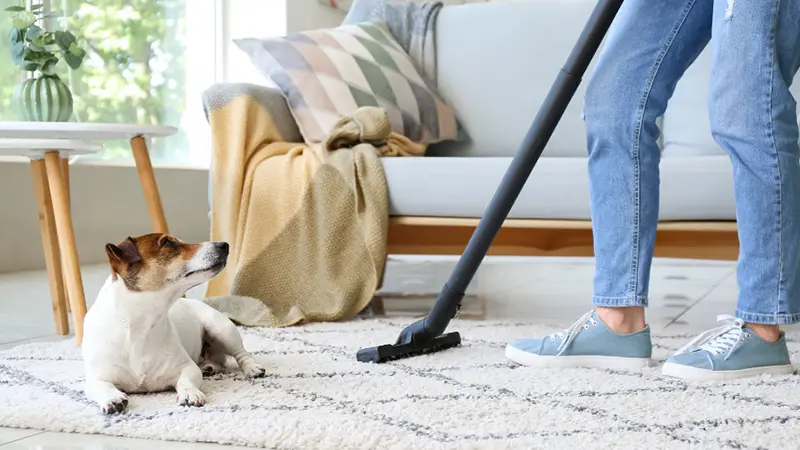
Invest in a Pet-Friendly Vacuum: A vacuum with strong suction and a motorized brush head is a must. Look for models that feature HEPA filters to capture pet dander, dust, and allergens.
Use Lint Rollers and Rubber Tools: Lint rollers are perfect for picking up pet hair from your furniture and clothing. For upholstery, try using a rubber squeegee or gloves to collect the fur from fabric surfaces.
Regular Brushing: Make brushing a regular part of your pet’s grooming routine to reduce shedding. This is especially important during seasonal changes when shedding tends to increase.
Microfiber Mops for Hard Floors: For homes with tile, hardwood, or laminate floors, microfiber mops are highly effective in picking up pet hair without scattering it around.
2. Eliminating Pet Odors: Keeping Your Home Fresh
Pets, especially dogs and cats, can bring about persistent odors that are often difficult to eliminate with standard air fresheners. These odors can settle into carpets, furniture, bedding, and even the air, making your home feel less welcoming.
How to Combat Pet Odors:
Baking Soda: An old but effective trick—sprinkle baking soda on carpets, upholstery, and even your pet’s bedding to neutralize odors. Let it sit for 15-30 minutes before vacuuming it up.
Enzymatic Cleaners: These are specialized cleaners designed to break down pet odors at their source, especially urine and feces. Use them to treat areas where your pet has had accidents.
Essential Oils and Air Purifiers: For ongoing odor control, try using an air purifier with a HEPA filter or essential oils like lavender or eucalyptus in a diffuser. Just be cautious with essential oils if you have cats, as some oils can be toxic to them.
Wash Pet Bedding and Toys Regularly: Regular washing of pet beds, blankets, and toys is key to keeping odors at bay. Use a pet-safe detergent to ensure they’re thoroughly cleaned without any harsh chemicals.
3. Removing Pet Stains: Fast Action for Best Results
Accidents happen, especially with puppies or older pets. Urine, vomit, and other bodily fluids can leave stains on your carpet, hardwood, or fabric surfaces, and if left untreated, they can become permanent.
How to Deal with Pet Stains:
Act Quickly: The sooner you can clean up a stain, the better. Blot up any excess liquid with a clean cloth or paper towels, being careful not to rub it in.
Use Pet-Safe Cleaners: Opt for enzymatic or nature-based cleaners that break down the stain and odor without damaging the surface. Avoid bleach or ammonia-based products, as these can worsen the smell and attract pets back to the same spot.
Steam Clean for Deep Stains: For carpets and upholstery, using a steam cleaner can be an effective way to remove deeply embedded stains. However, make sure to follow up with a good vacuum to remove any residue.
Test Before Using: Always test any cleaning product on a small, inconspicuous area first to ensure it won’t damage or discolor your furniture or flooring.
4. Pet-Friendly Furniture Protection
Pets, particularly those who like to jump on furniture, can wreak havoc on your couches and chairs. To protect your furniture from hair, dirt, and scratches, consider some of these solutions:
Use Pet-Proof Slipcovers: Washable slipcovers are a lifesaver when it comes to protecting your sofas and chairs from pet hair and accidents. They are easy to clean and can be replaced if necessary.
Pet-Resistant Fabric: When shopping for new furniture, look for materials that are more resistant to pet damage, such as leather or microfiber, which are easier to clean and less likely to attract pet hair.
Area Rugs: Place washable rugs in areas where your pet spends a lot of time to protect your flooring from scratches and stains. They’re easy to clean and can be replaced when needed.
5. Routine Maintenance: The Key to Long-Term Cleanliness
Consistency is essential when it comes to keeping your home clean with pets. Regular maintenance ensures that dirt, fur, and odors don’t accumulate to the point where they become overwhelming.
Pet Cleaning Routine: Daily Cleaning: Vacuum high-traffic areas and wipe down surfaces where pet hair tends to collect. You should also clean your pet’s paws, especially after outdoor walks, to avoid tracking dirt inside.
Weekly Deep Cleaning: Wash your pet’s bedding, clean your floors, and wipe down furniture to keep your home looking fresh.
Monthly Maintenance: Give your carpets and upholstery a deep clean with a steam cleaner or hire a professional cleaning service for a thorough cleaning every month.
The Benefits of Deep Cleaning for Pet Owners
Deep cleaning for pet owners is not just about aesthetics—it’s about creating a healthier and more comfortable environment for both you and your pets. Here’s why you should make deep cleaning a priority:
Healthier Indoor Air Quality: Regular deep cleaning reduces allergens such as pet dander and dust, improving air quality for both humans and pets.
Longer-Lasting Furniture and Flooring: By regularly cleaning and maintaining your furniture and flooring, you’ll extend their lifespan and protect your investment.
Improved Comfort for Pets: A clean environment ensures your pets are not exposed to harmful bacteria, mold, or excessive allergens, contributing to their overall well-being.
A More Pleasant Living Space: Beyond health, deep cleaning helps maintain a fresh, welcoming atmosphere for you, your guests, and your pets.
Conclusion
Maintaining a clean home while sharing your space with a pet is no small task, but with the right strategies, it’s entirely possible to create a comfortable, hygienic, and pleasant living environment for both you and your furry friend. By investing in the right tools, developing a cleaning routine, and adopting pet-friendly cleaning methods, you can effectively manage the challenges that come with pet ownership. Deep cleaning not only benefits your home but also improves the quality of life for your pets, making it a worthwhile effort.
Ready to take your pet-friendly cleaning to the next level? Incorporate these tips into your routine and enjoy a cleaner, fresher home for both you and your beloved pet!